
Elite Property Services
Smart Energy: Solar, EV Charger & Battery Storage. 24/7 Emergency Service: 01344 508 083
We cover Surrey, Berkshire, Hampshire & Oxfordshire & Beyond
Elite Property Services
Smart Energy: Solar, EV Charger & Battery Storage. 24/7 Emergency Service: 01344 508 083
We cover Surrey, Berkshire, Hampshire & Oxfordshire & Beyond

With Ofgem announcing another shift in the energy price cap for January 2026, many households—especially those relying heavily on electricity—are expected to feel the pinch yet again. At Elite Property Services, we want to help you stay informed and prepared, particularly if you’re using home EV charging, solar, or looking to install energy-saving technology.
What’s Changing?
Recent reports highlight that while the headline energy price cap is increasing slightly (around 0.2%), the reality for electricity users looks very different:
Electricity unit rates are rising by around 5.1%, pushing the cost per kWh from 26.3p to 27.7p.
Gas unit rates are expected to fall by around 5.7%.
Households that use more electricity than gas—such as EV owners—could see an overall bill increase of 3–4%.
This means even with a small cap rise, many homes will pay more per unit of electricity, and that directly impacts the cost of running your home, heating, and especially charging your electric vehicle.
Why EV Owners Will Feel the Increase Most
If you charge an electric vehicle at home, you’re already using significantly more electricity than the average household. With electricity prices climbing again, you may see noticeable jumps in your monthly bills, particularly if you:
Solar & Home Battery Storage: Your Best Defence Against Rising Energy Prices
Now more than ever, home energy technologies are becoming the go-to way for homeowners to protect themselves from fluctuating electricity rates.
☀️ Solar Panels: Generate Your Own Power
🔋 Home Battery Storage: Store Cheap Energy, Use It When Prices Peak
Together, solar + battery + smart EV charging can dramatically reduce your grid usage and soften the impact of rising electricity costs.
What You Can Do Today
✔ Review your current tariff
✔ Book a home survey for solar, battery storage or EV charger installation
✔ Optimise your charging schedule for cheaper hours
✔ Consider bundling EV charger installation with home energy upgrades
If you’re worried about rising electricity bills, now is the ideal time to take control of your home energy costs.
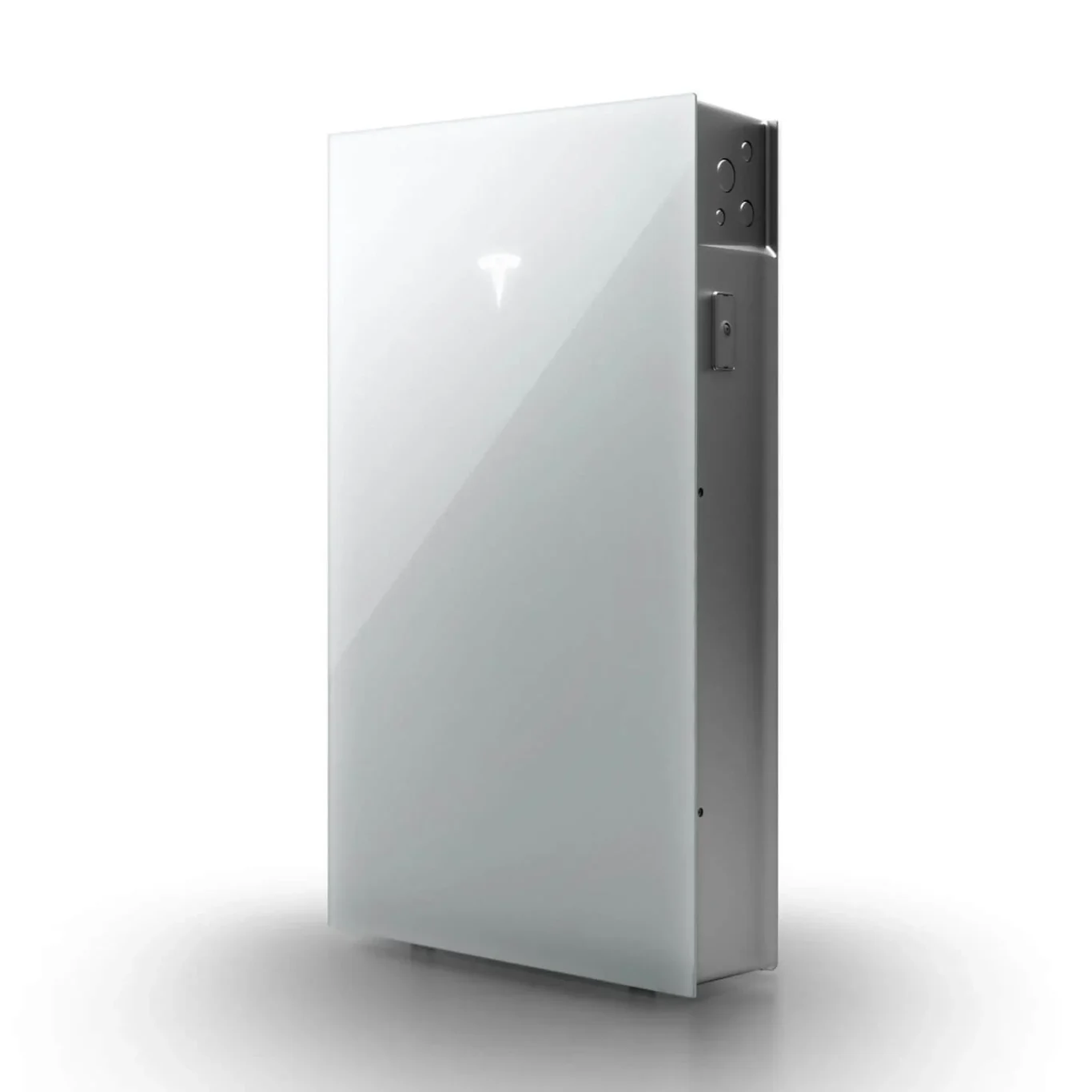
As we head into 2026, home-battery systems are becoming more accessible and better performing than ever — thanks to improvements in capacity, inverter integration, weather tolerance and smarter control. If you already have solar panels, or are planning to install them, now may be the ideal time to ask: should you add a home battery?
In this blog we’ll dive into the key questions:
📦 What Is the Tesla Powerwall 3?
The Powerwall 3 is the latest home-battery offering from Tesla in the UK. It includes:
For homeowners in the UK, this means the Powerwall 3 is a premium system — the kind that delivers both backup (in power cuts) and energy bill savings when used smartly.
💷 Cost & Payback: What to Expect in the UK in 2026
Installation and Upfront Cost
Payback Period-Estimations
Calculating payback depends heavily on how much of your solar (or grid) energy you can store and use, the cost you pay for electricity, and how high your usage/spikes are. Some key figures to keep in mind:
So, Is 2026 a Good Time?
Yes — for many homeowners with or without solar , a battery is now a viable investment rather than a niche. The components are proven, warranties solid, and energy prices high (so savings matter). However:
🛠️ Backup & Resilience: A Major Bonus
One of the greatest advantages of adding a system like Powerwall 3 is backup power. When the grid goes down, a premium system can keep your home running. Tesla markets the Powerwall 3 with features such as “Storm Watch” (pre-charging ahead of severe weather) and full-home backup capability.
In practical terms this means:
📋 Should You Install a Home Battery in 2026?
Here’s a quick checklist to decide:
✔ You have (or plan) solar panels generating a decent share of your home consumption
✔ Your electricity tariff is high or you have access to off-peak differential smart pricing
✔ You want backup power and independence
✔ You are staying in your home for 7+ years (to reap the payback)
✔ Your existing electrical setup supports battery integration (or you budget for upgrades)
If you tick most of these, installing a system like the Powerwall 3 makes sense. If you don’t yet have solar, you might want to consider installing solar also.
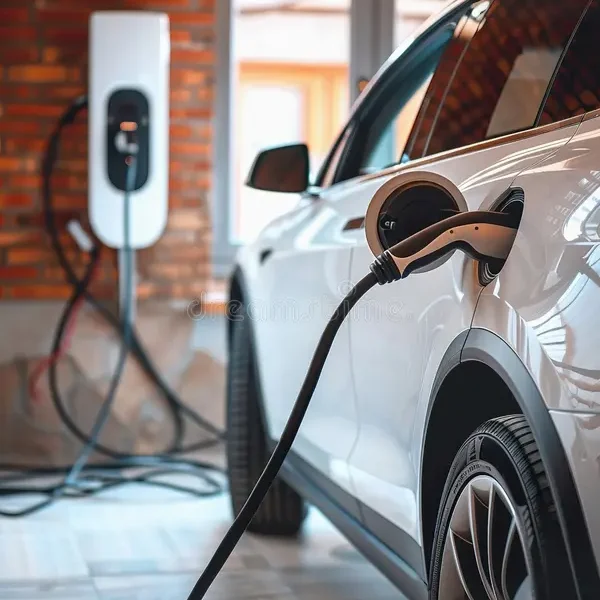
Why Winter Matters for EV Charging
Winter is the time when UK electric vehicle owners notice the biggest differences in charging speed, range and cost. Cold weather affects battery performance, meaning your EV may charge slower and require more energy to reach a full charge.
That makes choosing the right home EV charger—and understanding its speed, cost and installation requirements—even more important.
In this guide, we break down 3kW vs 7kW chargers, real-world winter performance, running costs, grants, and how long installation takes for UK homes.
Why 7kW Is Cheaper in Winter
A 7kW charger:
Using off-peak electricity, a full charge can cost as little as £3–£6.
⚡ 7kW Chargers (Dedicated Home EV Charger)

This is the slowest type of EV charging and is only recommended for occasional use.
Typical Charging Speed
Winter Performance
Ideal For
This is the most common, efficient and reliable home charger in the UK.
Typical Charging Speed
Winter Performance
Ideal For
⏳ Standard 7kW Charger Install
🔧 Installations That Take Longer (Half-day or full day)
🎁 Are There Any EV Charger Grants Available?
Homeowner Grants (Current UK Position – 2025)
The old OLEV grant for homeowners has ended.
However, you may still qualify under specific situations.
You can still apply if:
The EV Chargepoint Grant provides:
We need your consent to load the translations
We use a third-party service to translate the website content that may collect data about your activity. Please review the details in the privacy policy and accept the service to view the translations.